
Culture & Experience Branding
Culture & Experience Branding
We create brands for theatres, cinemas, galleries, exhibitions, venues and cultural organisations.
From brand strategy and naming to visual identity, websites and audience experience, we help cultural and experience-led organisations build stronger connections with audiences and create brands people actively choose to spend time with.
Branding for Places, Culture and Experiences
The most successful cultural organisations do more than sell tickets. They create anticipation before the visit, confidence during the booking process and memorable experiences that audiences want to return to and recommend.
Whether you're launching a new venue, repositioning an existing organisation or bringing together multiple brands under a clearer structure, effective branding helps audiences understand what makes you different and why they should choose you.
At Good Noise, we help cultural organisations define their positioning, create distinctive visual identities and build experiences that connect with audiences.
Brand Strategy
Audience research, positioning, brand architecture and strategic direction.
Naming
Naming venues, sub-brands, programmes and experiences.
Brand Identity
Logo design, typography, colour systems, graphic assets and brand guidelines.
Brand Architecture
Helping complex organisations organise multiple venues, brands and experiences.
Campaign Design
Exhibition campaigns, season launches, audience engagement campaigns and promotional activity.
Website Design
Audience-focused websites that improve discovery, engagement and conversion.
Environmental Graphics & Signage
Wayfinding, venue graphics and physical brand experiences.
Culture & Experience Branding Services
Project Types
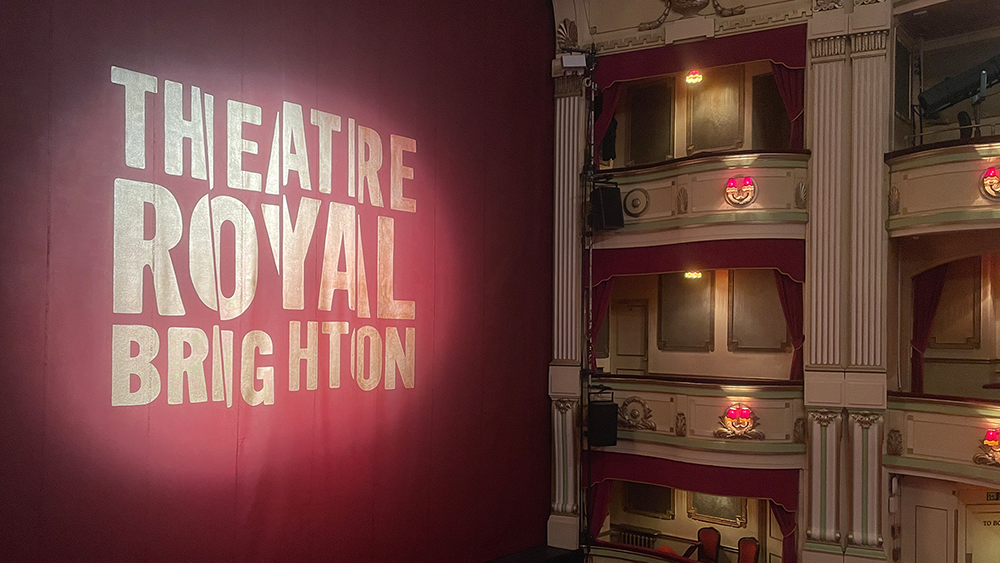
Theatre Branding
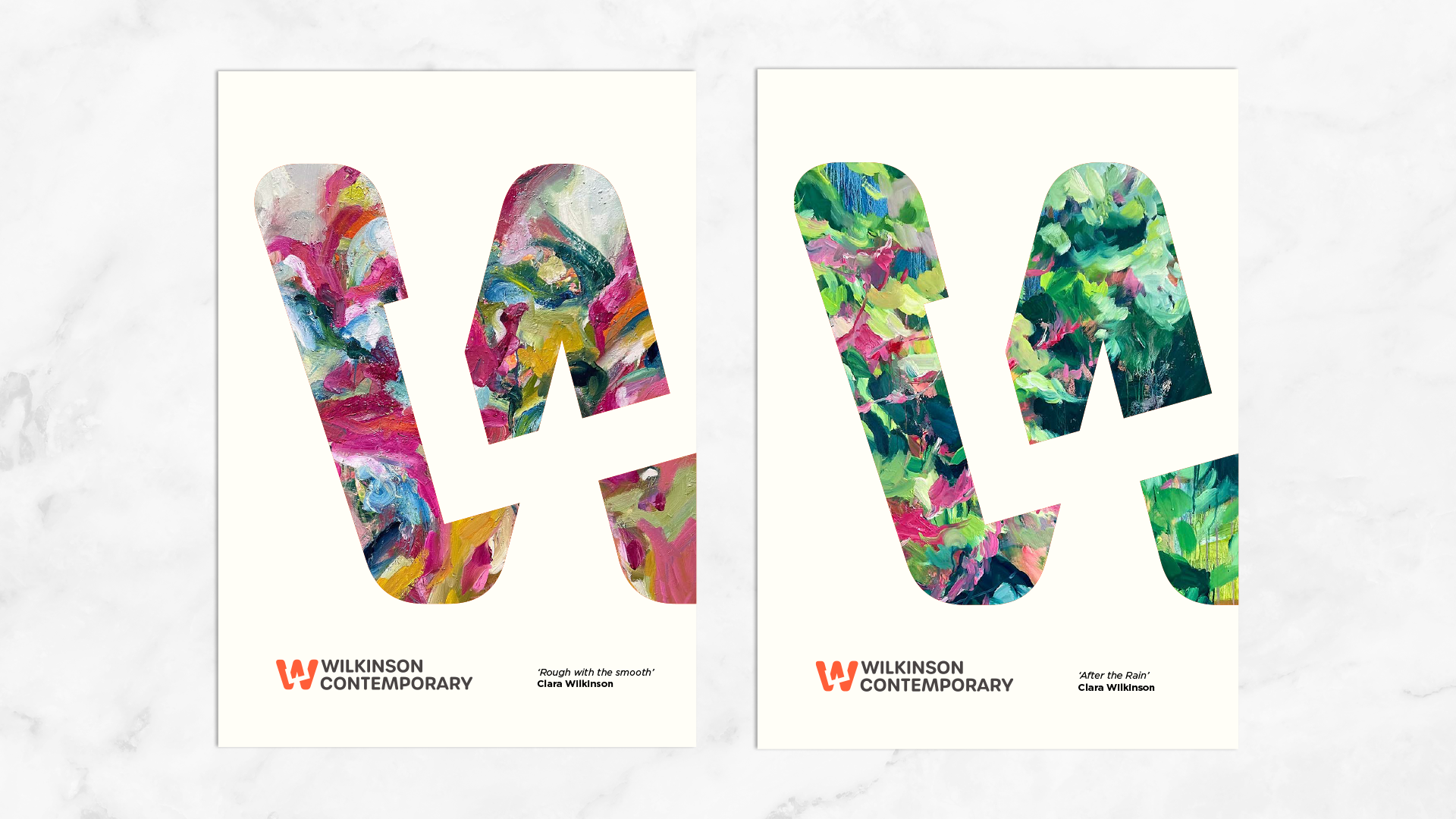
Gallery Branding
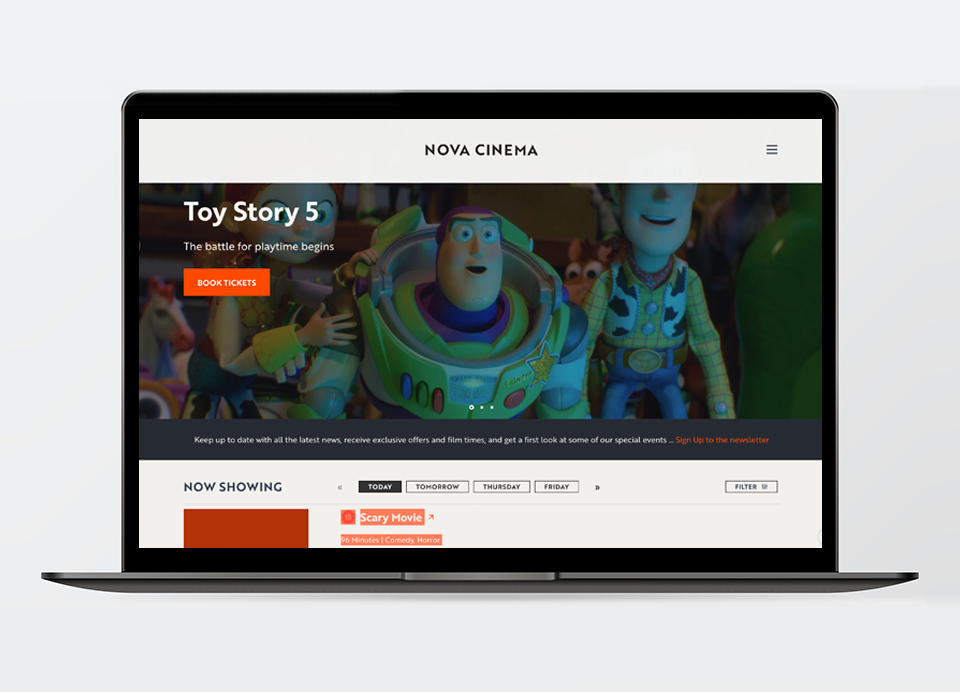
Cinema Branding
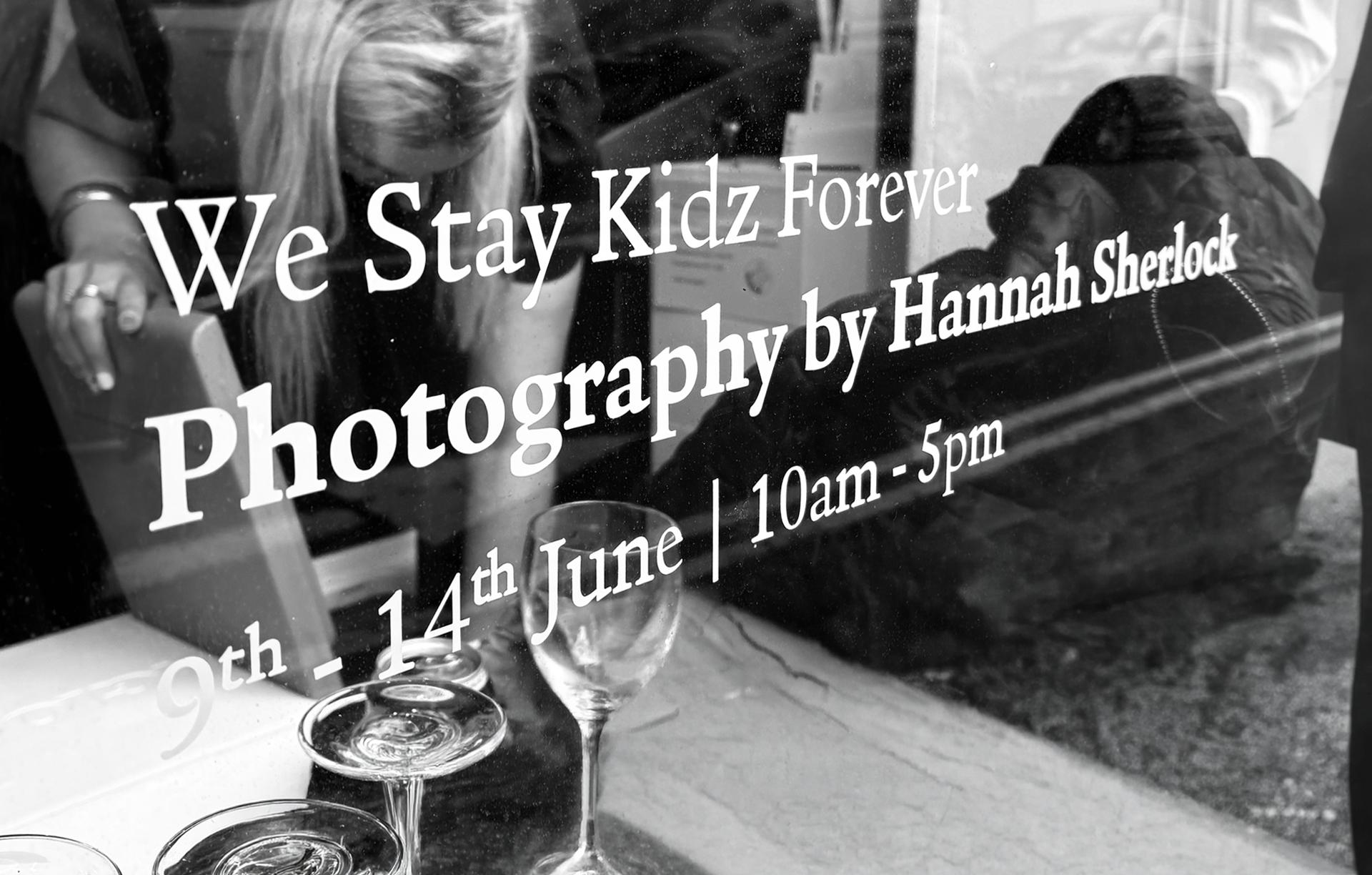
Exhibition Branding
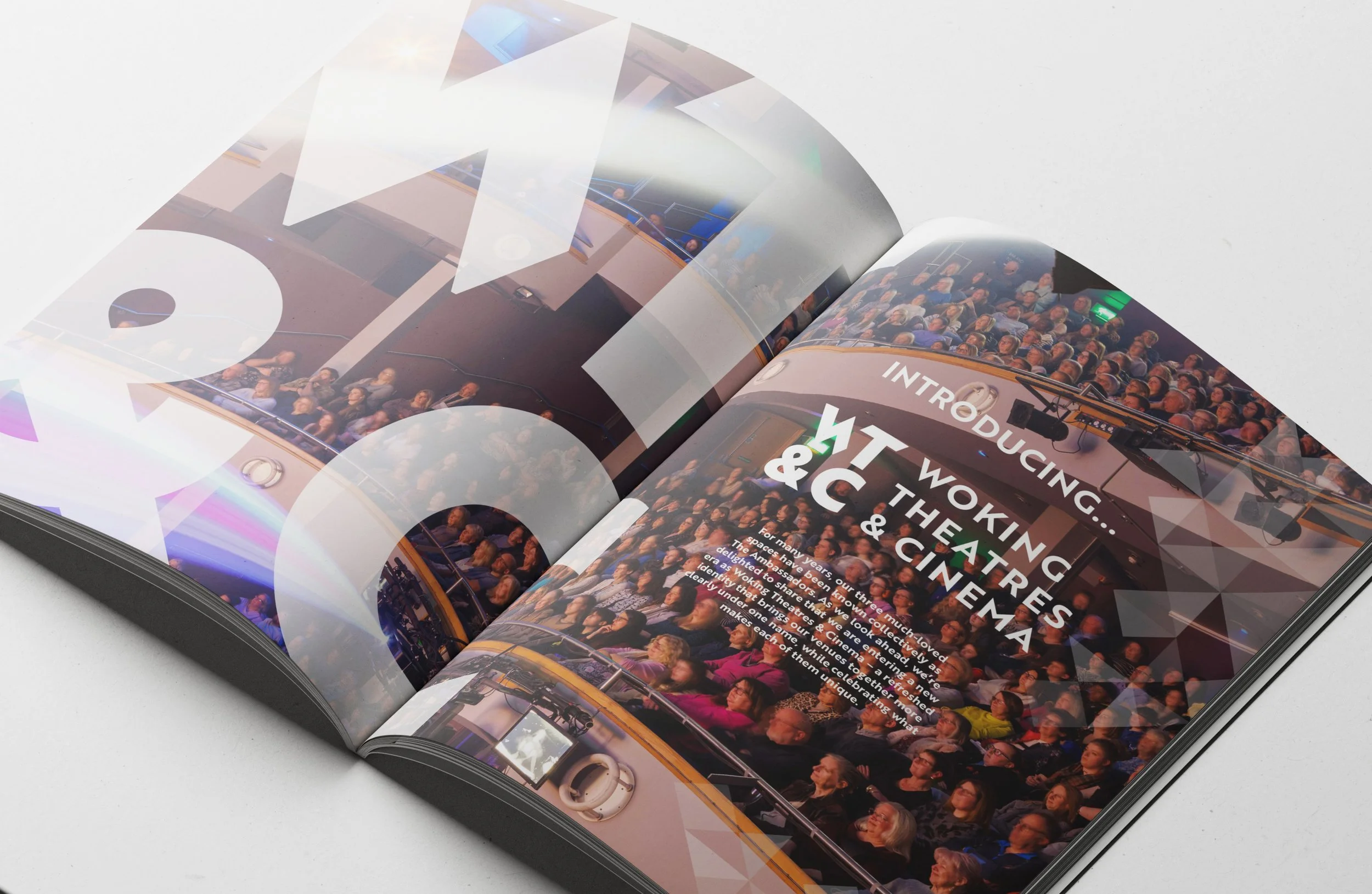
Venue Branding
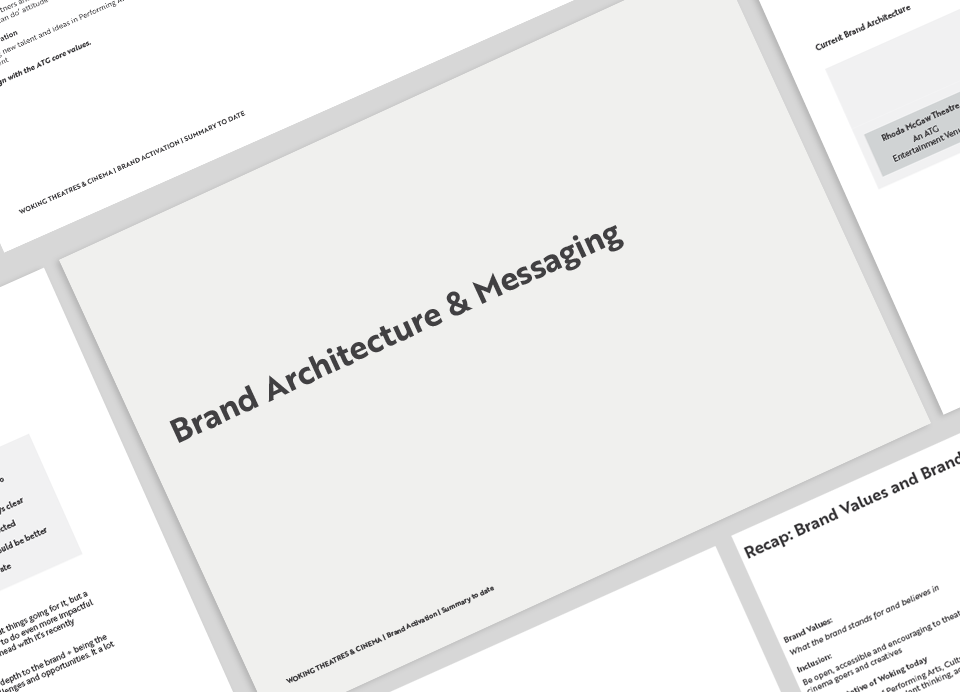
Brand Strategy
Our Process
How We Work
We deliver the strongest results when we’re involved at an early stage, collaborating closely with clients at every phase of the project, from strategy and concept development through to delivery.
That said, every project is different. Sometimes we join partway through to bring fresh perspective, solve a specific challenge, or support a particular phase of the process. Whether we’re leading the journey end-to-end or contributing to a single stage, we adapt our approach to add value where it’s needed most.

Step 1
Research & Insight
Each project begins with understanding your organisation, audiences, ambitions and the competitive landscape. We agree on the objectives of the project and what success looks like.
Step 2
Positioning Strategy
We define what makes the brand distinctive, who it is for and how it should be perceived. This strategic foundation informs messaging, identity and visitor experience decisions across the project.
Step 3
Guest Experience Thinking
Branding extends beyond visuals. We consider how visitors interact with the venue across physical and digital touchpoints, ensuring the brand feels cohesive from first impression to repeat visit.
Step 4
Visual Identity Design
We create visual, written and aural systems that express the brand clearly and consistently. This can include logos, typography, colour systems, tone of voice, signage, packaging, wayfinding and environmental graphics.
Step 5
Rollout & Implementation
We help bring the brand to life by supporting the rollout of the across interiors, digital platforms, printed materials and operational touchpoints to ensure consistency throughout the customer experience.
Step 6
On-going Support
We can be on hand to support the on-going successful use and development of the brand. This can include acting as Brand Guardians liaising with third parties, creating new initiatives or meeting day to day graphic design needs.
Culture & Experience FAQ’s
-
Strong branding makes it easier for audiences to understand what makes your organisation, venue or event distinctive. Clear positioning, compelling messaging and a memorable visual identity can improve awareness, strengthen audience loyalty and support ticket sales by helping people choose your experience over competing leisure options.
A strong brand goes far beyond a logo or visual design. It starts with clear brand positioning, identifying what makes the business unique, who it serves, and why guests should choose it over competitors. This identity is then brought to life through visual branding, tone of voice, storytelling, service standards, interior design, digital presence, and every touchpoint of the guest journey.
When done well, branding creates emotional connections, builds loyalty, and turns first-time visitors into returning guests and advocates.
-
It can be part of the solution.
Many cultural organisations focus heavily on programming while audiences struggle to understand what the organisation stands for as a whole. Branding helps create a clear story that connects individual events, exhibitions or performances into a recognisable and trusted experience. -
This is a common challenge for larger organisations.
Over time, venues, programmes, festivals and services can develop their own identities, creating confusion for audiences. A brand architecture review can clarify how these elements relate to one another and create a more coherent experience.
-
Branding can play an important role in broadening audience appeal.
While programming remains critical, the way an organisation presents itself visually and verbally can influence how relevant, welcoming and contemporary it feels to different audience groups.
-
Ideally, branding should begin before decisions are made about websites, signage, marketing campaigns or interiors.
Starting with positioning and brand strategy ensures every audience touchpoint is working towards a consistent goal and helps avoid costly redesigns later in the project.
-
Not every exhibition requires a standalone identity, but many benefit from a distinctive visual system that helps build awareness and create a stronger audience experience.
The right approach depends on the exhibition's scale, ambitions and relationship to the parent organisation.
-
Branding is not only for large institutions.
For artists, curators and independent exhibitions, a clear identity can help attract visitors, secure partnerships, improve professional credibility and create a more memorable experience around the work itself.
-
Not necessarily.
Sometimes the challenge is not the visual identity but the positioning behind it. A review can help determine whether a full rebrand is required or whether refinements to messaging, structure or audience communications would be more effective.
-
Marketing helps you promote individual events, exhibitions and experiences.
Branding creates the foundation that makes those marketing activities more effective by defining who you are, what makes you distinctive and why audiences should care.
-
A strong brand can help organisations communicate their vision more clearly to funders, sponsors and stakeholders.
It provides confidence that the organisation has a clear purpose, understands its audience and can deliver meaningful cultural experiences.
-
Most venues serve a range of audience groups with different motivations and expectations.
Effective brand strategy identifies the common thread that unites these audiences while creating a flexible framework that can speak to different groups without losing consistency.
-
Yes.
Branding extends far beyond logos and marketing materials. It influences websites, booking journeys, signage, wayfinding, printed materials, staff communications and the overall experience visitors have before, during and after their visit.
-
Strong branding can help smaller organisations compete more effectively by focusing on what makes them distinctive.
A clear proposition and memorable identity often have more impact than a large marketing budget, particularly for independent venues, galleries and cultural experiences.
-
A focused identity project for an exhibition or independent organisation will require a different level of investment than a strategic rebrand for a multi-venue cultural organisation. We tailor our approach to the scale, ambitions and requirements of each project.
What does a culture and experience branding project typically include?
Depending on the organisation, a project may include:
Audience and stakeholder research
Brand strategy and positioning
Naming
Brand architecture
Visual identity design
Messaging and tone of voice
Campaign design
Website design
Signage and environmental graphics
Brand guidelines